
Co-Op Gear and Supplies for Independent Filmmakers
Worker-owned co-ops offer indie filmmakers quality gear, supplies, and services with ethical sourcing. Here's how to find and use them on your next production.
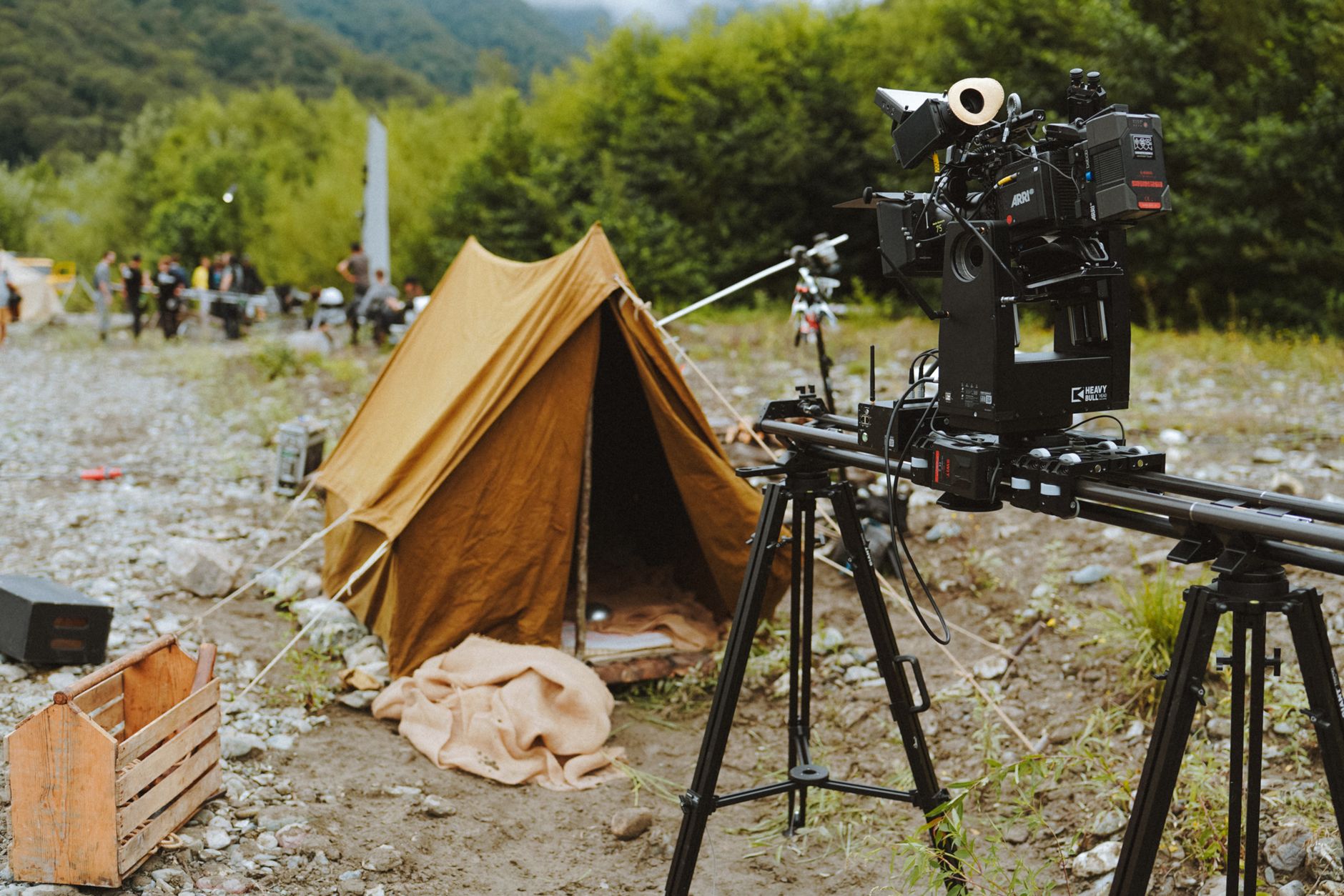
Worker-owned co-ops are having a real moment in the indie film world. If you've been grinding through production budgets, hunting for affordable and ethically sourced gear, expendables, and crew services, the growing searchable directory of 22,000-plus products from worker-owned co-operatives is worth your time. Here's how to actually use it on set.
Why Co-Op Sourcing Makes Sense for Film Productions
Most filmmakers don't think about where their production supplies come from until something goes wrong. A grip house closes. A vendor raises prices overnight. A supplier's labor practices make the news the week your film drops and you're suddenly answering uncomfortable questions in interviews.
Worker-owned co-operatives (businesses owned and democratically run by their employees) tend to be more stable, more transparent, and frankly more accountable than standard vendor chains. When the people packing your expendable order or manufacturing your rigging supplies have a direct stake in quality, you feel that difference.
For indie producers working in 2026, this matters beyond ethics. It matters for supply chain reliability, for marketing your film's production story, and for building long-term vendor relationships that actually hold up.
What's Actually in a Co-Op Product Directory
The 22,000-plus product directory isn't just artisan candles and organic snacks. For film and video production, you'll find categories that are genuinely useful:
- Expendables: gaffer tape, diffusion gels, grip supplies, cable ties, marking tape
- Fabrication and prop materials: wood, metals, textiles sourced from co-op manufacturers
- Printing and signage: call sheets, slate boards, set signage, poster prints
- Catering and craft services supplies: coffee, specialty food items, sustainable packaging
- Audio accessories: foam, acoustic materials, cable organizers
- Apparel: crew shirts, branded production gear, safety vests
The searchable interface lets you filter by product type, region, and co-op certification. That regional filter is underrated. Sourcing locally cuts shipping time, and on a tight production schedule that genuinely matters.
How to Integrate Co-Op Sourcing Into Pre-Production
The key is building this into your pre-production workflow, not scrambling at the last minute. Here's the realistic approach.
Start With Expendables and Consumables
Gaffer tape is gaffer tape until it isn't. I've had cheap tape leave adhesive residue on a Zeiss Supreme Prime lens element that cost more to clean than the tape saved. Co-op manufactured expendables often meet or exceed professional specs because the workers producing them care about the outcome. Cross-reference any expendable against your current suppliers. If the price is within 10-15% and the specs match, switching makes sense.
Build Your Craft Services Budget Around Co-Op Vendors
Craft services is one of the most overlooked morale tools on a low-budget set. Your DP (director of photography) and your focus puller work better when the craft table isn't just stale chips. Co-op food suppliers, especially regional ones, often carry specialty items, quality coffee, and locally produced goods that elevate the set environment without blowing your budget. A good craft table communicates respect for your crew. That's not soft thinking, that's practical crew management.
Source Fabrication Materials for Art Department
Your production designer and art department constantly source raw materials, lumber, fabrics, paints, and hardware. Co-op hardware suppliers and textile manufacturers appear throughout the directory. If you're building practical sets or dressing locations for a narrative feature or a music video, routing your art department's purchasing through co-op vendors is straightforward to implement. Tag it in your production bible (the master document tracking all production decisions) and it becomes a talking point in festival Q&As and press materials.
The Production Story Angle You're Probably Missing
Here's something most indie filmmakers overlook entirely. The story of how you made your film has commercial value.
Audiences and press increasingly respond to productions that can articulate ethical, community-rooted production practices. It's a differentiator that costs nothing extra to document.
If your production sourced supplies through worker-owned co-ops, that's a behind-the-scenes narrative thread. Document it. A thirty-second production diary segment showing the co-op where your grip supplies came from, shot on your Sony FX3 or your BMPCC 6K Pro (Blackmagic Pocket Cinema Camera 6K Pro) with a simple Rode NTG3 shotgun mic, becomes content for your film's press kit, your EPK (electronic press kit), and your streaming service pitch.
Festival programmers notice this kind of intentionality. So do documentary distributors. If your narrative feature or doc has a genuine ethical production spine, you can talk about it authentically rather than retrofitting a story after the fact.
Practical Limits and Workarounds
Let's be honest. The co-op directory doesn't replace your core equipment rental house. You're not renting an ARRI Alexa 35 or a Cooke Anamorphic lens set from a worker co-op. Specialized cinema gear still lives in the traditional rental ecosystem.
Shipping timelines can also be longer from smaller co-op operations. Build in buffer time during pre-production. Order your consumables and expendables two weeks out instead of one. Use the regional search filter to find co-ops close to your shoot location, which cuts that window significantly.
Not every product category in the directory will hit professional spec. Read the product details carefully. For anything touching your camera, audio, or lighting systems directly, verify specs against your rental house standards before committing. For craft services, art department materials, production apparel, and printing, the risk is much lower and the sourcing swap is easy.
Building a Repeatable Co-Op Vendor List for Your Production Company
If you're producing multiple projects a year, the real return on this is building a vetted co-op vendor list that lives in your production company's resource documents. First project, you spend time researching. Second project, you're just re-ordering.
Organize it like this:
- Category (expendables, craft services, art department, apparel)
- Co-op name and location
- Products ordered, specs, and price points
- Lead time from order to delivery
- Quality notes from department heads
Share it with your line producer and department heads before each project kicks off. This is how a small indie production company builds a genuine ethical sourcing practice without it becoming a research burden every single time.
In 2026, with production costs rising across the board and crew expectations for working conditions legitimately higher than they were five years ago, finding suppliers who operate with integrity and accountability isn't just a value statement. It's practical production infrastructure.
Key Takeaways
- Worker-owned co-op product directories now include thousands of film-relevant supplies including expendables, fabrication materials, and craft services goods
- Filtering by region reduces shipping time, which matters on tight production schedules
- Ethical sourcing is a documentable production story that adds value to your press kit and festival materials
- Start with low-risk categories like consumables and craft services before moving to more spec-sensitive items
- Building a vetted co-op vendor list across multiple productions eliminates repeat research and embeds the practice into your workflow
Frequently Asked Questions
Q: Can a co-op directory actually replace my existing grip and expendable suppliers?
A: For many standard expendables like gaffer tape, gels, and grip consumables, yes. You'll want to verify specs on anything that contacts your camera or audio gear directly, but for most production consumables the switch is straightforward. Start with one category and test quality before moving your full expendable budget.
Q: How do I verify that a supplier is actually worker-owned?
A: Reputable co-op directories only list verified member businesses, typically certified through regional or national co-operative associations. If you want to double-check, ask the supplier directly for their co-op registration or certification number. Legitimate worker co-ops are transparent about this.
Q: Does sourcing from co-ops add meaningful cost to a low-budget production?
A: Not significantly, especially when you factor in regional sourcing that reduces shipping costs. Some co-op products are priced at a slight premium, but the gap is often smaller than people expect. For craft services and art department materials especially, the price difference is minimal and the quality is frequently higher.