
Best Cinema Cameras for Independent Filmmakers in 2026
From sub-$2K mirrorless to pro-grade cinema bodies, here are the cinema cameras worth your budget in 2026.
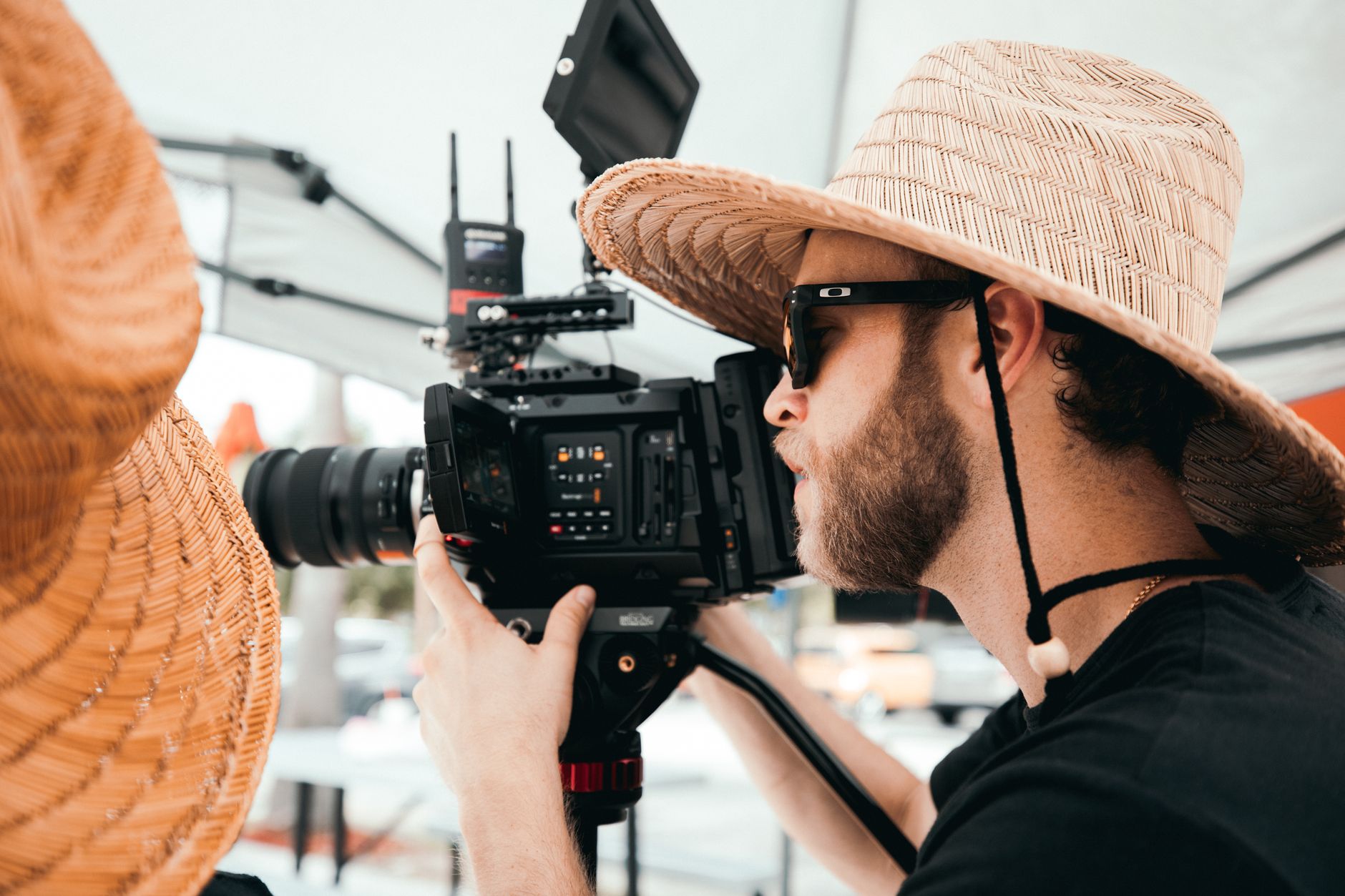
Independent filmmaking has never had better camera options. The gap between 'indie' and 'Hollywood' image quality is closer than ever, and the cameras available right now prove it.
Why Camera Choice Still Matters in 2026
Gear doesn't make the film. You've heard that. It's true. But the wrong camera can slow down your production, limit your color grade, or kill your low-light performance on a night shoot with no budget for extra lighting. So yes, craft comes first, but your camera choice has real consequences on set.
The landscape in 2026 has shifted in a few meaningful ways. ARRI still dominates festival-circuit cinematography. According to a SXSW 2026 camera breakdown, the ALEXA 35 appeared on a significant number of narrative competition films, with the Sony VENICE and Blackmagic Pocket Cinema Camera (BMPCC) also showing up heavily. Even iPhone captured footage showed up in short-film programming. That range tells you something: the category is wide open, and the right choice depends entirely on your production.
The ARRI ALEXA 35: Still the Gold Standard
If you have the budget or the rental access, the ALEXA 35 is the camera most cinematographers want in their hands. Its CMOS sensor delivers around 17 stops of dynamic range (the camera's ability to capture detail from deep shadows to bright highlights simultaneously), and the organic quality of the image straight out of the camera is genuinely different from any other body on the market.
Buying one outright isn't realistic for most independent filmmakers. Renting is the move. Day rates vary by market, but for a project that matters, factoring a rental into your budget is worth every dollar. The ALEXA 35 also plays extraordinarily well with ARRI's LPL lens mount system, which opens you up to a massive selection of modern and vintage glass.
Festival programmers and acquisitions teams have come to associate the ARRI image with a certain cinematic seriousness, and that perception, fair or not, still carries weight in 2026.
Sony FX3 and FX6: The Working Filmmaker's Toolkit
For independent filmmakers who need to own their camera, the Sony Cinema Line remains one of the most practical choices available. The FX3 sits at a price point that's genuinely accessible, shoots full-frame 4K with excellent low-light performance, and is small enough to operate handheld or on a gimbal without a full-size rig.
The FX6 steps it up with built-in ND filters (neutral density filters that reduce incoming light without affecting color, letting you control depth of field in bright conditions), better autofocus performance, and a more robust feature set for run-and-gun (fast-paced, minimal-crew) documentary work.
Both cameras output S-Log3 (Sony's logarithmic picture profile that preserves maximum dynamic range for color grading), which gives you serious flexibility in post. If you're shooting narrative shorts, music videos, or documentary work regularly, either of these bodies earns its place in your bag.
Which Sony Is Right for You?
- FX3: Best for solo operators, gimbal work, travel shoots, and tight budgets
- FX6: Best for narrative work where internal NDs and a dedicated cinema interface matter
- FX9: Worth considering if you're shooting high-end commercial work and need full-frame 6K
Blackmagic Cinema Camera 6K: Best Value for Serious Indie Work
Blackmagic Design continues to be the brand that genuinely democratized (made widely accessible) cinema-quality image capture. The Blackmagic Cinema Camera 6K, particularly in its G2 and newer iterations, shoots in Blackmagic RAW (a compressed raw format that balances file size with full image quality retention), records to CFexpress cards, and integrates seamlessly with DaVinci Resolve, which is itself a free, industry-standard color grading and editing application.
The color science on Blackmagic cameras has matured significantly. The Gen 5 color science introduced in recent models handles skin tones with more subtlety than earlier versions, and the highlight rolloff (the way the camera transitions from correctly exposed areas to blown-out whites) is much improved.
The tradeoff is ergonomics. These cameras are built like small bricks. You'll want a dedicated cage (an external frame that adds mounting points for accessories), a good monitor, and a follow focus system before you're really working comfortably. But the image quality at the price is hard to argue with.
GoPro MISSION1: A New Challenger Worth Watching
This one caught a lot of people off guard. GoPro, long associated with action sports and POV cameras, entered the cinema camera market in 2026 with the MISSION1, reportedly targeting Canon and RED users directly. Specs and early hands-on reports suggest the MISSION1 shoots cinema-grade RAW, includes a proper PL or LPL lens mount option, and is positioned at a price point designed to disrupt the mid-range cinema camera segment.
I'd call this one 'watch and wait' for now. GoPro has the engineering chops, but cinema camera credibility takes time to build. If early adopter reviews confirm the image quality holds up in controlled narrative production environments, the MISSION1 could become a serious option heading into late 2026 and beyond. Keep an eye on real-world tests from working cinematographers before committing.
Canon Cinema EOS Line: Reliable, Versatile, Everywhere
Canon's Cinema EOS lineup, particularly the EOS C70 and EOS C300 Mark III, remains a staple on independent productions. The C70's compact form factor and dual-pixel autofocus (Canon's phase-detection AF system that tracks subjects reliably and smoothly) make it an exceptional run-and-gun body that also holds its own in more controlled narrative shoots.
The C300 Mark III shoots Cinema RAW Light (Canon's compressed raw format) and full-frame 4K with 16+ stops of dynamic range, and the build quality feels like something you can genuinely abuse on location. Canon's color science is warm and flattering, particularly for skin tones, which is one reason it stays popular for commercial and narrative work.
Canon glass is also abundant, affordable secondhand, and optically strong. If you're building an ecosystem from scratch, Canon's interoperability between their EF and RF mount lenses gives you a huge catalog to work with.
Matching Your Camera to Your Production Type
Here's the practical breakdown most gear articles skip:
- Narrative short films: BMPCC 6K, Canon C300 Mark III, or rent an ALEXA 35 for the key shoot days
- Documentary: Sony FX6 or FX3 for their autofocus and compact size under pressure
- Music videos: Sony FX3 or Canon C70 for versatility and speed between setups
- High-end commercial: Sony FX9, Canon C300 Mark III, or ARRI rental
- Experimental or low-budget narrative: BMPCC 6K with a good set of vintage lenses
The camera that fits your genre, crew size, and workflow will always outperform the theoretically superior camera that fights you on set.
Key Takeaways
- The ARRI ALEXA 35 is still the benchmark for festival-level image quality in 2026, and renting it for key shoot days is a legitimate strategy
- Sony FX3 and FX6 offer the best balance of image quality, usability, and price for filmmakers who need to own their kit
- Blackmagic Cinema Camera 6K delivers genuine cinema-grade RAW capture at a price point no other brand matches, but demands a proper rig build-out
- Canon Cinema EOS cameras remain reliable workhorses with strong color science and excellent lens ecosystem support
- GoPro's MISSION1 is an intriguing new entry worth monitoring, but verify real-world results before budgeting around it
Frequently Asked Questions
Q: What's the best cinema camera for a first-time indie filmmaker on a tight budget?
A: The Blackmagic Pocket Cinema Camera 6K is the most cost-effective entry into genuine cinema-grade image quality. Pair it with a basic cage and a Canon EF-mount vintage lens, and you have a serious production tool for under $2,500 total.
Q: Is it better to rent or buy a cinema camera for short film production?
A: For one-off projects or high-end cameras like the ALEXA 35, renting almost always makes more financial sense. If you're shooting regularly, four or more projects a year, owning a mid-range body like the Sony FX3 or Canon C70 starts to pay for itself quickly.
Q: Does the GoPro MISSION1 work for professional narrative filmmaking?
A: Early reports in 2026 suggest it has real cinema-grade ambitions, but it's too new to have a proven track record on narrative productions. Wait for in-depth reviews from working cinematographers and colorists before making it a primary camera on anything high-stakes.